
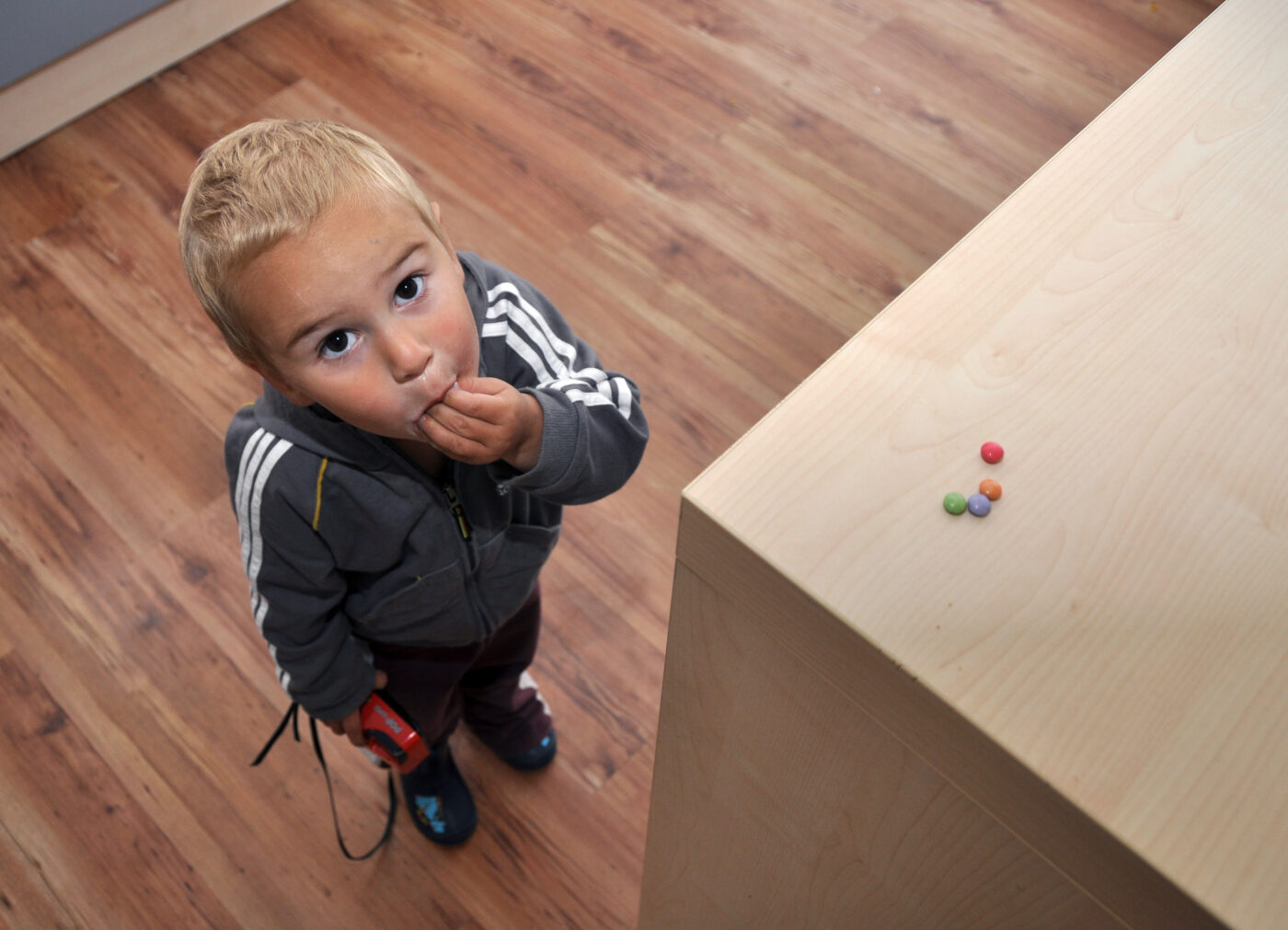

If you’ve got kids, you’ve been lied to. A study out of the University of Waterloo found that “96 percent of young children lie at some point. Four-year-olds lie, on average, every two hours. Six-year-olds lie, on average, every hour.” Admittedly, sometimes it’s cute. When your 4-year-old tells you “No, I did not eat the chocolate” while his face is smeared with it, it can be hard not to crack a smile. But still, for parents who want to raise children they and others can trust and view as people with integrity, it can be both concerning and frustrating.
So how do you respond when your child lies? If you’re like me, you’ve probably yelled or gotten stern. Maybe you’ve warned them they won’t be trusted or told them people won’t like them if they lie. This is understandable, but not particularly helpful. Causing shame rarely has positive long-term outcomes. But here are 5 ways you can respond when your child lies to you that may ultimately get you what you want.
1. Connect.
“Connect first” is a good rule of thumb. Whether a child is lying because he’s testing boundaries or because he just knows if he tells the truth he won’t get what he wants, the most important thing in the interaction is for your child to feel safe and connected. This doesn’t mean you aren’t taking it seriously. But it does mean that he first knows he’s loved and safe. A gentle touch, eye contact, and sitting with him on the couch all communicate connection first and correction second. In the context of connection, correction can happen in a healthy way, even if that correction involves discipline.
2. Ask questions.
You might know exactly what happened and have a pretty good beat on why he’s lying to you. Maybe you saw him get mad because his brother knocked over his toy and so he walked over and punched him (this may have happened this morning in my home). So when you sit with him and say, “Tell me what happened,” you’re not really looking for new information. You’re teaching him the need for honesty and taking responsibility for his actions. When you ask him, “Why did you decide to hit him?” you’re helping him realize that he has options in terms of his response to his emotions. You’re not just working on how to deal with a lying child, but also how to raise an adult who can control his emotions.
3. Workshop it.
When you catch your child in a lie, it’s important not to just tell him that’s wrong, but to help him think through how he could deal with this same situation in the future. “So you wanted the candy, but you knew I’d say no? What’s another way you could’ve dealt with that?” In taking this angle on how to deal with a lying child, you’re helping him see that the desire itself was not necessarily the problem. And there may in fact be other ways to get what he wants. It might take longer. For instance, the path to getting the candy might be waiting for dinner, eating your food, and then requesting that piece of candy for dessert. It’s delayed gratification, but that in and of itself is also a powerful lesson.
4. Set boundaries.
Speaking of delayed gratification, kids don’t know how to do that yet. Their prefrontal cortex, the center for rational thought that allows them to put together logic like, “I know I get dessert if I eat dinner. So if I want candy, I should eat dinner, then ask for it,” is still forming. As a result, it’s developmentally appropriate that they will do what they feel they need to do to get what they want now. By setting clear boundaries you discuss with them and reinforcing them consistently, you help them build that cognitive muscle. You’re also creating a path to getting what they want that doesn’t involve lying.
5. Repair.
When the child lies, trust has been broken. While you could just shake it off, it’s an important opportunity for him to learn how to repair what he has broken. Because when you’re considering how to deal with a lying child, what you’re really doing is asking the question, “How do I make it likely this child will grow into someone who can be trustworthy and have authentic relationships with others?” To do that, he must learn that when he breaks trust, he needs to work to repair it. That looks like admitting to the lie, asking for forgiveness, and demonstrating honesty moving forward. Of course, this needs to be handled in an age-appropriate manner, but the earlier you start with your child, the more normal this process will feel for him.
Sound off: What am I missing? What else is critical in dealing with a lying child?







Huddle up with your kids and ask, “Why do you think it’s important to tell the truth?”