
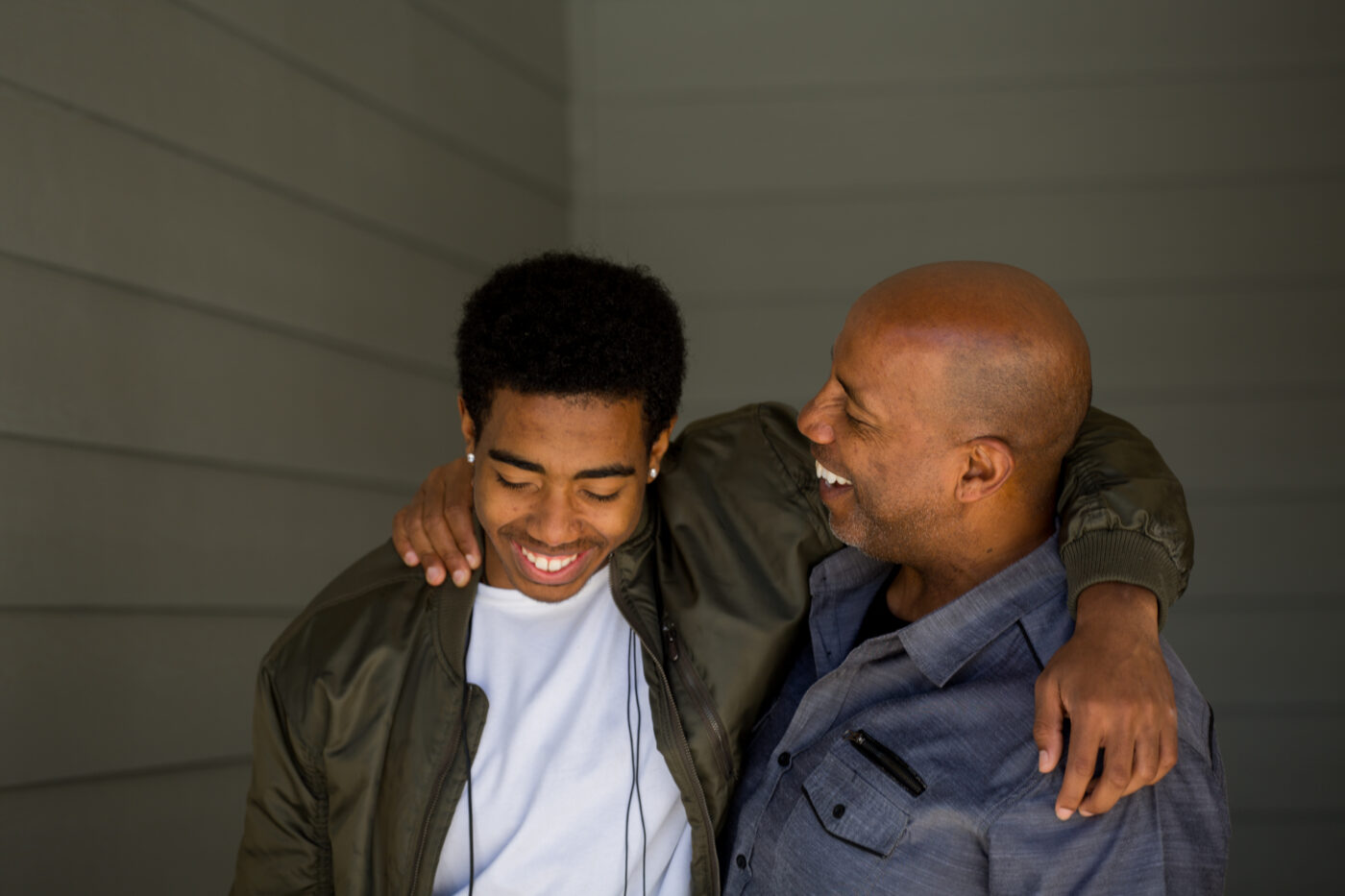

Most of us want to do great things in life. That includes parenting. We want to take our teens on the epic vacation, be the coolest parent their friends love being around, and say all the right things at all the right times. Unfortunately, most of us will not achieve parenting (or any other kind of) greatness. We’ll take lame family vacations (according to them), embarrass them in front of their friends, and say things that make the situation worse. Does that mean we’ve failed?
Hardly. Mother Teresa famously said, “We cannot do great things, only small things with great love.” Not only do I think that’s true, I think it’s critical for parents to grasp. If you focus on the little things, you might be surprised how big of a deal it is. Here are 5 small ways to make a big difference in your teen’s life.
1. Show up.
When possible, be at their games, their performances, their birthdays, and other important events. (Occasionally missing a game or a performance doesn’t destroy a child, especially if your pattern is to be there.) But just as important as being present at the big things is being present in the normal, day-to-day stuff. Be there for dinner, to help with homework, and to sit together on the porch. And don’t just be around when everyone’s happy. Keep showing up when she slams the door, stomps up the stairs, or tells you to leave her alone. Showing up when parenting a teenager sounds easy, but there are lots of things pushing and pulling us away–sometimes including the teenager. But doing the small but hard work of showing up can pay off in a big way with connection with your teen.
2. Have integrity.
Your teenager needs to be able to trust you. She needs to know that when you say something, you’ll follow through. If she can’t trust you when you tell her you’ll pick her up at 3:30 p.m. or that you’ll practice with her after school, then she’s slowly but surely going to stop listening to what you say. She’ll learn over time that you can’t be trusted. I’m not talking about an occasional misstep here. This is about your habits. If you consistently show yourself to be trustworthy, the occasional mistake is no big deal. But trust is fragile. Abuse it enough, and it will be broken and difficult to repair.
3. Love their mom.
This might seem like a non sequitur. What does loving her mom have to do with your teen? A lot, really. The foundation of your teen’s life is her family. When the rest of her world is changing in big and sometimes scary ways, the security and stability of a loving and peaceful home are crucial. That doesn’t mean she won’t still rebel a little or even a lot. But much like a child learning to swim needs a sturdy wall to both push off of and cling to, parenting a teenager is like being the wall of the pool. If you model love and stability, she’ll be able to push off when she needs to, but also return for safety and rest.
4. Listen.
Sometimes teens like to talk a lot. Sometimes you can’t get two words out of them. This can tend to fall along gender lines (girls being chatty and boys being more closed off), but certainly doesn’t always. Regardless, listening is a critical skill for parenting a teenager. Listening doesn’t simply mean hearing the words that she says. It means paying enough attention that you’re noticing what’s behind the words (or the lack thereof). Is she anxious? Ashamed? Overwhelmed? Sometimes listening happens with your eyes. Especially with less talkative teens, noticing body language can be a huge part of listening. And what I’ve found is, showing up to listen doesn’t mean there’s something critical in every conversation. But listening as though it’s all important will build her trust that when she needs a listening ear, you’re ready to hear.
5. Play.
Play is often something we relegate to children. As they become teenagers, they want to be seen as grown up, so words like play are rarely used–except notably in socially acceptable games like sports and video games. And these are incredibly valuable. Organized play creates opportunities for community building, problem solving, leadership development, exercise, perseverance, and more. At the same time, unstructured “play” with parents can be critical for building lasting bonds. It could look like shooting hoops at the park, playing a board game, taking a hike, or, yes, playing a video game together. There isn’t a right way to play. But the habit of having fun and facing low-stakes challenges together can build memories and bonds for a lifetime.
Sound off: Parenting a teenager requires small but frequent doses of attention. What is one small thing you can start today?





Huddle up with your kids and ask, “What’s one thing I do consistently that you appreciate?”