

Quick Summary
Newborn hiccups are normal, harmless, and happen constantly in the early weeks. They are caused by a developing diaphragm reacting to a full stomach or swallowed air. Burping your baby mid-feed, slowing down feedings, and holding your baby upright afterward are the most reliable ways to stop and prevent them.
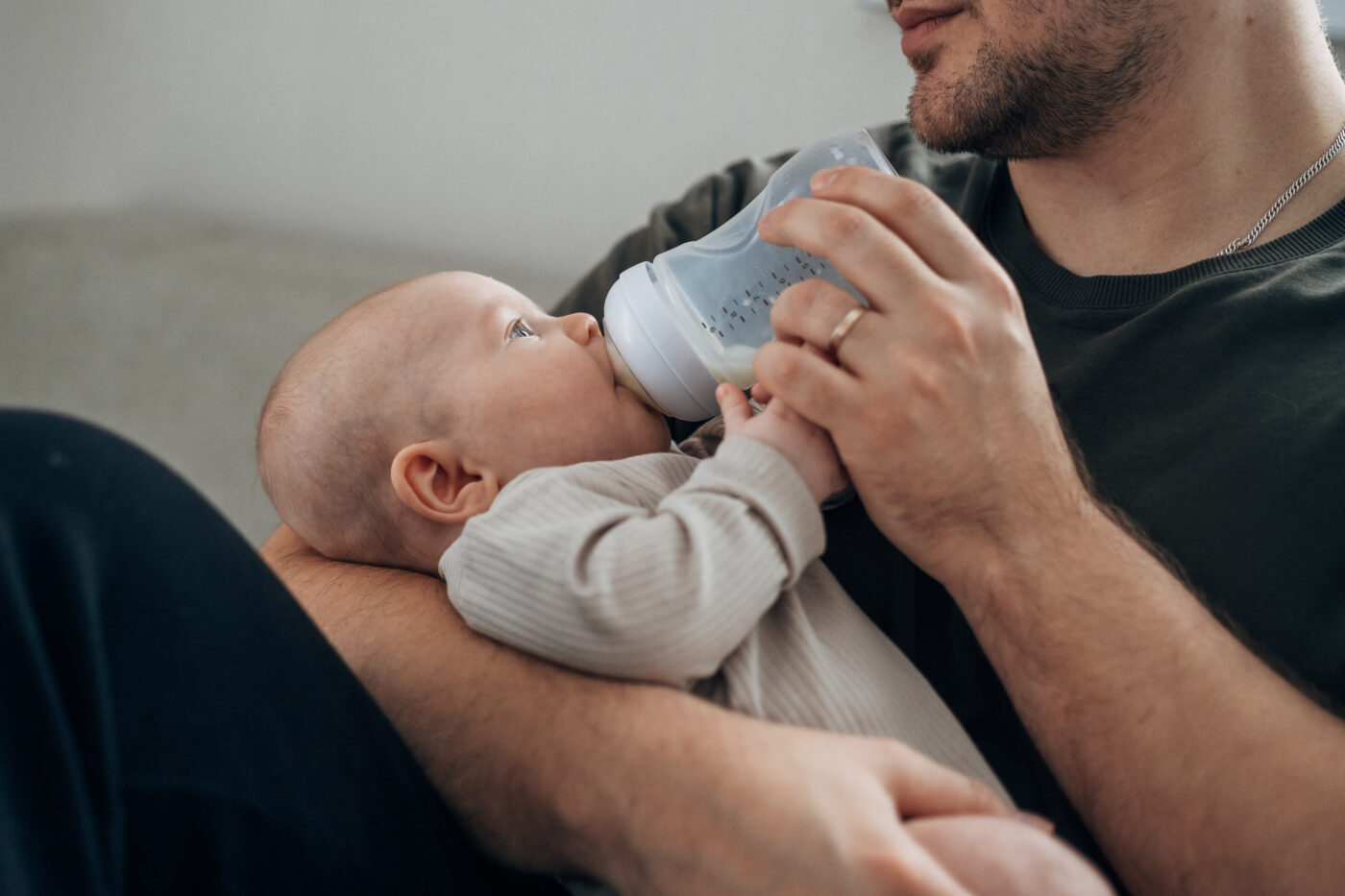
I just finished feeding my son. He looked happy and content. Then, hic! His small body jerked up. I was concerned for a second until I realized he had the hiccups. Over and over, his whole body jerked with each one. On one hand, I was excited to see my son do something new. On the other hand, I started wondering: Is it OK for a baby to hiccup? If he does it too much, does that mean something is wrong?
After a Google-search rabbit hole, I discovered newborn hiccups are one of the most normal things your baby will do, and there are a few things you can do to help.
Why Does My Newborn Hiccup So Much?
Newborns hiccup so frequently because their diaphragm and nervous system are still immature, according to research published in StatPearls, and almost anything related to feeding can trigger it.
My son’s hiccups started after a feeding. Your baby eats too fast, swallows air, or takes in more than his stomach can comfortably hold. The stomach expands, presses up against the diaphragm, and the spasms start. A review published in PMC notes that hiccups may function as an evolved mechanism to help remove swallowed gas from the stomach, which would explain exactly why they peak right after you feed a newborn.
It is also worth noting that babies start hiccupping long before you meet them. Research tracking fetal movement found that hiccups were the predominant diaphragmatic movement before 26 weeks of gestation, making them one of the earliest things a developing baby learns to do. By the time my son was born, he had been hiccupping for months.
How Can I Prevent Newborn Hiccups in the First Place?
Preventing newborn hiccups mostly comes down to how and when you feed: Slower, calmer feedings with regular burp breaks significantly reduce the frequency.
Here is what has made the biggest difference for us in the first weeks:
- Feed him before he gets frantic. When my son is very hungry, he gets worked up and tends to eat fast. When this happens, a baby gulps air with every swallow. OSF HealthCare pediatrician Ameera Nauman, MD, recommends feeding your baby before they reach the point of being overly hungry and agitated. A calm baby feeds more efficiently and takes in less air. My wife and I use the Huckleberry app to log feedings and get an estimate of when our son will be hungry next.
- Slow down the feeding. This is easier said than done. When my son is hungry, it’s hard to slow him down. Something you can do to help slow the feeding down is to check that the bottle is full and there is no air in the nipple before each feed. A slower-flow nipple can also help if your baby tends to gulp. If your wife is breastfeeding, check the latch. A poor latch means more air goes in with every suck.
- Burp mid-feed, not just at the end. Do not wait until the feeding is over to burp. It might seem weird to stop the feeding, but pausing has been working for my son. Pause every two to three ounces with a bottle. Getting trapped air out early means less pressure building against the diaphragm.
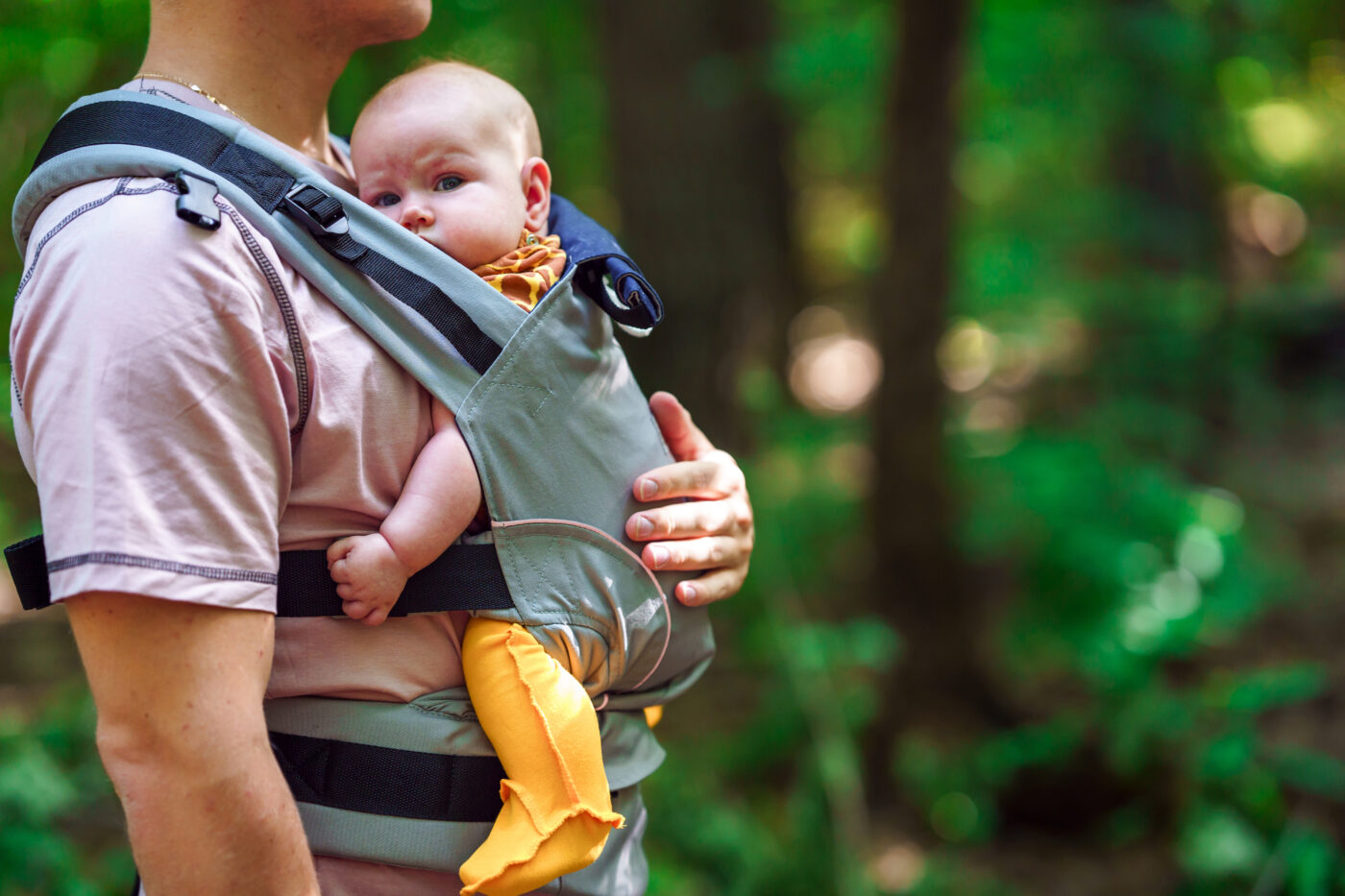
- Hold him upright after feeding. Keep your baby in an upright position for 20 to 30 minutes after a feeding. This lets gravity help keep stomach contents where they belong and reduces the chance of the diaphragm getting irritated. This is where babywearing earns its keep: sometimes I put my son in the carrier after feeds, and he stays upright while I get back to work. No special effort required.
- Avoid active play right after feeding. I love sitting my son on my lap and making him dance around. But an activity like that needs to wait after a feeding. Bouncing, jostling, or laying your baby flat immediately after a feed gives his stomach’s contents the best chance of pressing on the diaphragm. Give it 20 to 30 minutes.
How Do I Stop My Newborn’s Hiccups Mid-Feed?
The most effective way to stop hiccups during a feeding is to pause, burp your baby, and give the diaphragm a chance to settle before continuing.
During early morning feedings, I am in a zombie-like state, too tired to remember the tips to prevent hiccups from happening. I’m more focused on just trying to keep my eyes open and then hic! If you find yourself in this situation, like I often do, stop and take a burping break. Sit your baby upright on your lap, support his head, and gently pat or rub his back. The goal is to release any trapped air in his stomach that may be pressing on the diaphragm. The American Academy of Pediatrics recommends burping a bottle-fed baby after every two to three ounces and burping a breastfed baby each time you switch sides.
If burping does not settle things, try offering a pacifier. Pediatrician Kylie Liermann, DO, at the Cleveland Clinic, explains that the sucking motion helps relax the diaphragm, which can interrupt the hiccup cycle. I tried this one the other day. It does not work every time, but it works often enough to keep the pacifier within arm’s reach.
One thing to note: Most of the classic adult hiccup remedies do not apply here. Do not startle your baby, pull his tongue, put anything cold in his mouth, or try to make him hold his breath. Pediatricians at Phoenix Children’s Hospital are clear that these tactics are not appropriate for infants and can cause unnecessary distress.
Do Newborn Hiccups Bother My Baby?
No, newborns are generally unbothered by hiccups, and most can feed and sleep right through them.
My son’s hiccups look so dramatic. But the consistent message from pediatricians is that the hiccups bother us far more than they bother the baby.
If your baby is calm, making eye contact, and feeding normally, the hiccups are not a problem. You can let them run their course. Most bouts of newborn hiccups resolve on their own within five to 10 minutes, without any intervention at all.
It is also completely fine to let your baby sleep while hiccupping. His airway is not at risk. If he is not distressed and his breathing is normal, put him down. He will likely sleep right through it. If you are worried about your child’s breathing at night, talk to your pediatrician about monitoring options that might give you peace of mind. My wife and I have been using a baby monitor that has helped.
When Should I Call the Pediatrician About Hiccups?
Call your pediatrician if hiccups last longer than two hours, happen constantly throughout the day, or are accompanied by other symptoms like coughing, arching, spitting up excessively, or other signs of distress.
That last combination—hiccups plus coughing, spitting up, and back arching—can sometimes signal gastroesophageal reflux disease (GERD). Pediatrician Robert Quillin, MD, of Pediatrix Newborn Services of Texas, notes that if a baby is uncomfortable with hiccups, particularly after feeding, it may be a sign of reflux that is worth discussing with your provider.
I have taken my son to every pediatric appointment since he was born, and I would always rather ask a question and feel like I overreacted than stay home and wonder. If something feels off to you, call. That is what the pediatrician is there for.
For a broader look at what to expect in the first weeks of fatherhood, 5 Tips for New Dads is worth reading before you need it.
Sound off: What is the one thing about newborn hiccups you wish someone had told you before your baby arrived?





Huddle up with your wife and ask, “What is something small I can do during feedings that would make things easier for you?”