

Before we shake our heads at some of the unhealthy habits kids have today, it’s worth remembering that every generation has its own version of “What were we thinking?” Baby Boomers smoked cigarettes before they were old enough to ride a bike, and hitchhiking was considered normal enough that it took public service campaigns to convince people it was dangerous. My generation, Generation X, wasn’t much better. Seat belts were optional; in fact, I still put one on, grudgingly, when I’m sitting in the backseat. Meanwhile, teen pregnancy reached historic highs in the early 1990s. Millennials grew up chasing impossible body standards, navigating unregulated internet chatrooms, and trying to recreate dangerous stunts they saw on shows like “Jackass” and “Viva La Bam.”
Unhealthy behaviors, or bad habits, in kids may change, but every generation embraces actions that seem harmless, fashionable, or even fun. That is, until time reveals the consequences. Today’s kids are no different. Instead of cigarettes, promiscuous sex, or hitchhiking, they’re engaging in a new set of unhealthy trends shaped by social media, technology, and modern culture. As parents, we need to recognize the risks they face and guide them toward better choices. Here are 8 unhealthy things kids are doing today.
1. Resume Stacking
This seems like a positive thing on the surface. They’re loading up their resumes with tons of extracurriculars to boost their chances of getting into college.
The Problem: Rather than focusing on their own development, maturity, and growth, they’re fixated on achievement and checking boxes. Resume stacking lacks authenticity and filling out their schedule with activities they’re not interested in leads to exhaustion and burnout.
Instead: Encourage your kids to pursue activities that truly interest them and they can commit to.
2. Influencer Culture
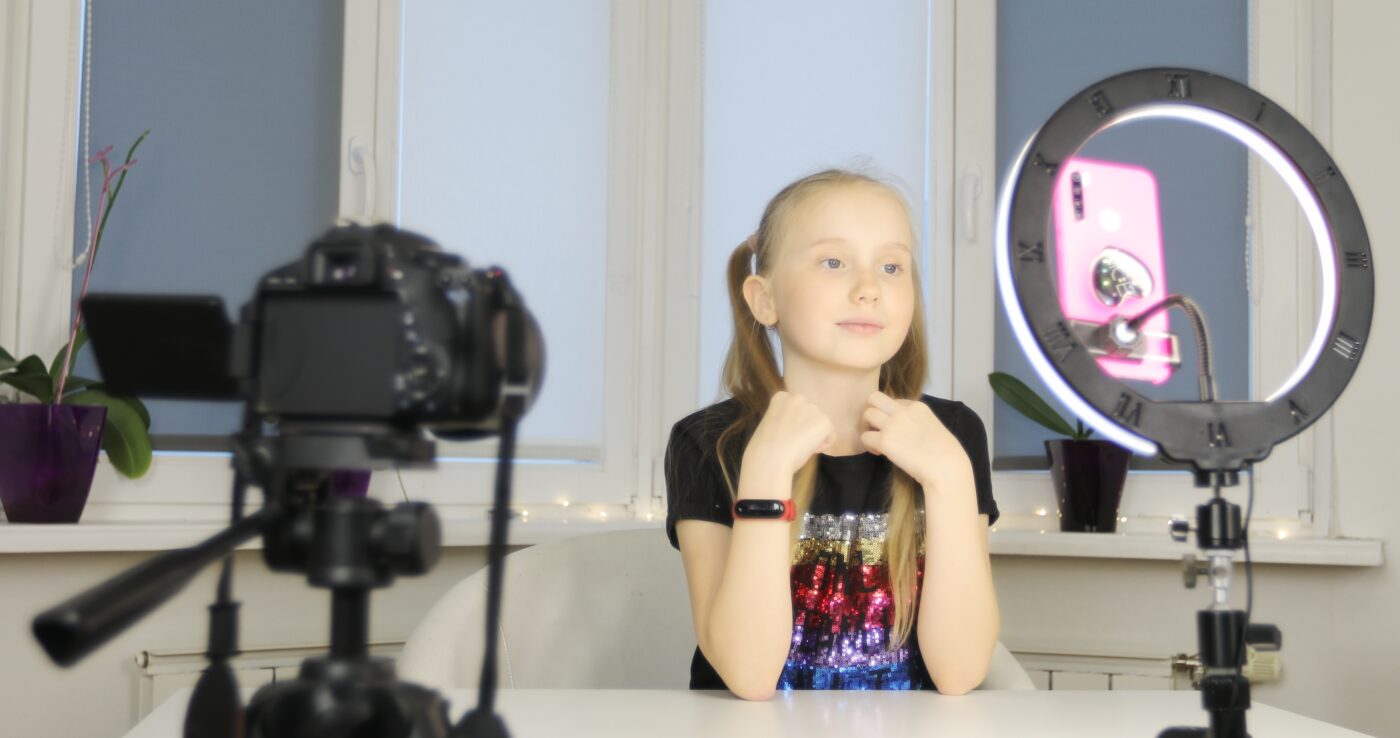
Kids look up to and follow the example of influencers without understanding that influencers often project extreme behaviors and points of view because it gets clicks.
The Problem: Kids repeat behaviors they think are cool, but sometimes those behaviors are destructive and dangerous.
Instead: Talk to your kids about people you know in real life who you admire and why.
3. Looksmaxxing
Speaking of bad influencers. Looksmaxxing is another unhealthy behavior among kids today. Looksmaxxing, if you don’t know, is the attempt by young men and adolescent boys to maximize themselves to be more attractive, typically to the opposite sex. It’s not limited to looks, but that’s where the focus is.
The Problem: Looksmaxxers engage in extreme lengths to transform their bodies and looks, including bone crushing (smashing your face with a hammer to create microfractures in your face) to change the jawline, and taking dangerous drugs such as steroids and methamphetamines. Also, the constant focus on their looks can increase their insecurity, highlight their imperfections, or worse, make them conceited, vain, and shallow.
Instead: Encourage your sons to work on expanding their knowledge, growing their character, and learning the nuances of social interactions, especially taking an interest in others.
4. Morning Shed
This is one of the latest TikTok trends promoted by influencers. If looksmaxxing is what guys do, then the Morning Shed is what girls do. It’s basically layering the face with skin and beauty products at night, sleeping with them, and then taking them all off in the morning, hence the term “Morning Shed.”
The Problem: Dermatologists widely criticize this trend. They say that these techniques are unhelpful at best. At worst, they can actually irritate the skin and disrupt sleep patterns. More than that, though, this gets young girls to focus on the wrong things, just like looksmaxxing. Girls already focus too much on their “imperfections.” They don’t need an unhelpful trend that makes those self-critical voices louder.
Instead: Encourage your daughters to embrace who they are and not go to extreme lengths to try to change the way they look.
5. Cancel Culture
When confronted with uncomfortable ideas, many kids label the person holding them “unsafe” and ask authorities to remove them. Rather than engaging in debate and confronting ideas they find offensive with logic, their expectation is that they be removed. This is even true of many college-aged folks.
The Problem: It promotes kids’ fragility and nurtures a lack of self-confidence in facing challenges.
Instead: Encourage your kids to have conversations with people who view conflict with them. Work on understanding their point of view—it doesn’t mean they have to agree, but it does mean learning how to confront opposing and even offensive views.
6. Avoidance or Ghosting
Speaking of avoiding, since this generation has had fewer and fewer face-to-face interactions, kids often avoid relational challenges and awkwardness by ghosting others. It’s not just a bad habit for kids, but it can be cruel if another person is waiting on your child and expecting something in return.
The Problem: When kids avoid challenges, it raises their anxiety and insecurity because they never learn how to navigate delicate social situations. The more they choose to avoid and ghost, the more that behavior grows and becomes permanent.
Instead: Encourage your kids to have difficult conversations. They will need to learn how to do it at some point. It’s best to start now.
7. Clout Chasing
This is pursuing validation through social media likes and attention. It’s tough for kids today because they are judged by exact metrics of how they’re perceived by their peers.
The Problem: Kids’ self-perception of their value and worth becomes based on these stupid metrics. It’s a lie. A dangerous lie. Kids will also pursue likes and attention by engaging in outrageous behavior, similar to the influencers we talked about earlier.
Instead: Encourage your kids to focus on developing their character, grace, and love. When the prophet Samuel was chosen to anoint David king (the same David who defeated Goliath), God told him, “Do not consider his appearance or his height, for I have rejected him. The Lord does not look at the things people look at. People look at the outward appearance, but the Lord looks at the heart.” (1 Samuel 16:7) Make sure your kids focus on the right things.
8. Excessive FOMO
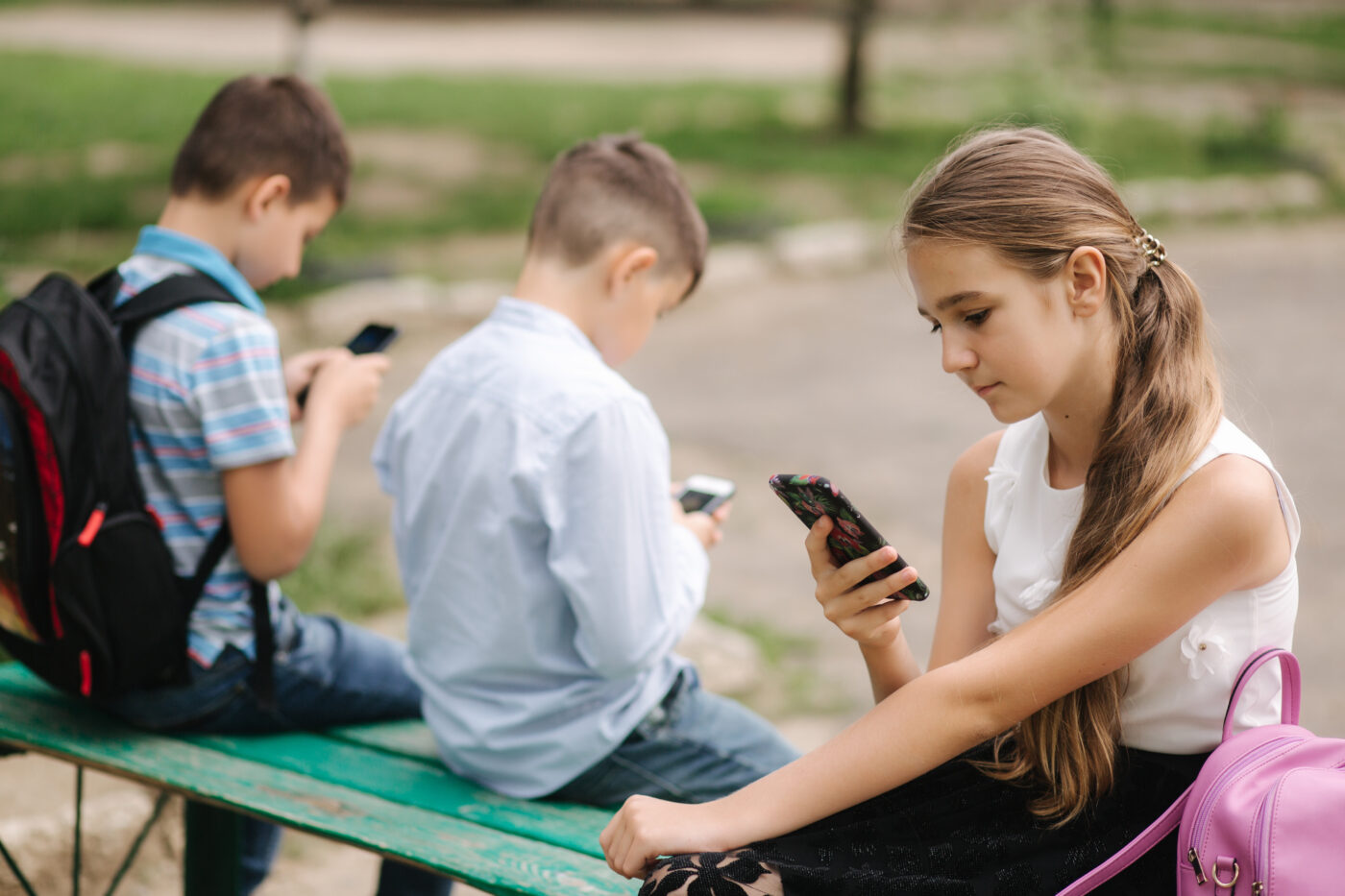
Being on screens and social media all the time is a bad habit for kids and can create an unhealthy level of FOMO. I think most people have a level of fear of missing out, but some kids today can become obsessed with it, checking social media all day and night, and constantly comparing themselves to others, which simply fuels jealousy and self-doubt.
The Problem: It affects kids’ mental health and sometimes their physical health, and self-image. Parents can also overcompensate by overscheduling their kids, leading to exhaustion.
Instead: Encourage your kids to focus on where they are, what they are doing, and who they are with rather than longing to be somewhere else. It’s always best for us to bring life where we are instead of letting what we’re missing take life from us.
Sound off: What are some other bad habits for kids in 2026?






Huddle up with your kids and ask, “What do you think of these things (go through the list)? Are any of your friends or classmates into them?”