
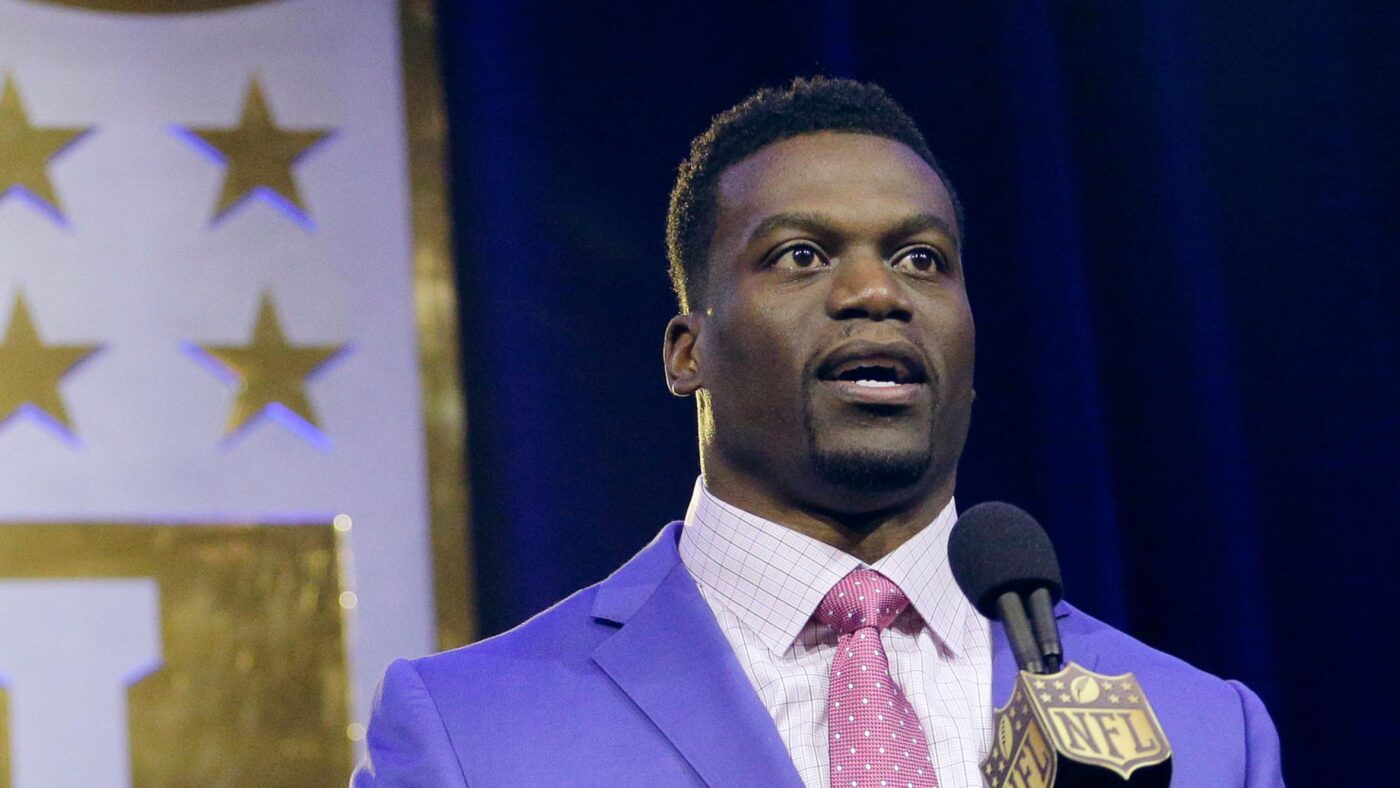

Tearing my Achilles tendon in 2016 was the toughest injury I’ve ever experienced. I also tore my ACL in my rookie year, had multiple concussions, and experienced a ruptured disc and quad injury. But that Achilles was truly awful. I learned that in football, and life, injuries are uncontrollable, but your response always is. I tried to keep a positive outlook during those challenging times. It helped to have coaches and trainers encouraging me during recovery.
Life is full of adversity. My kids are learning that all the time. I get to be their guide when they mess up at school, scream at a sibling, or struggle emotionally. I want to be for them what those coaches and trainers were for me during my challenging moments—a present voice. Being a dad isn’t about preventing challenges for your kids. It’s about helping them get through them and desiring to build kids’ resilience. Here are 5 messages kids need to hear when they face challenges.
1. “You are not alone in this.”
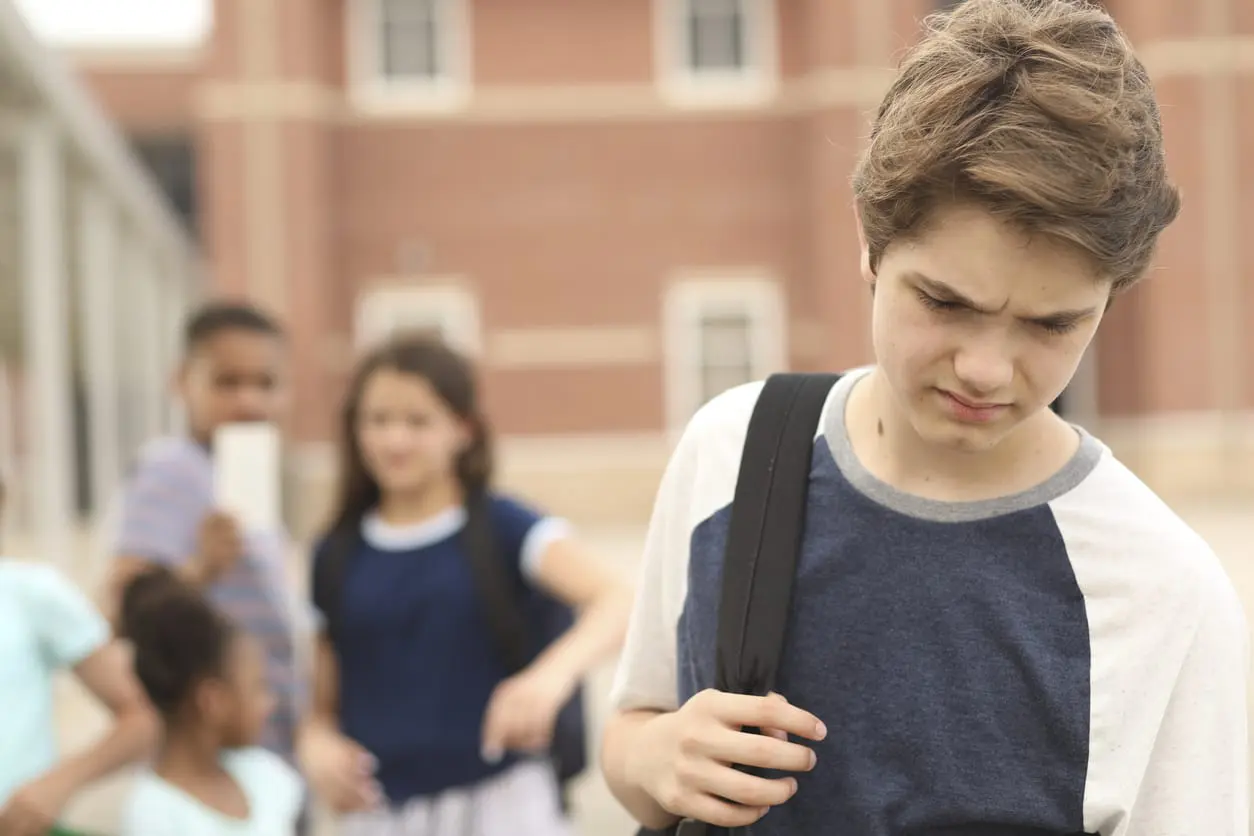
You’ve lived more life than your child, so you’ve been through many things they’re facing. You’ve earned a poor test score. You’ve been picked on or bullied, or have at least seen it happen to others. You understand the pain of FOMO. When your child is struggling, thinking they’re dumb after a bad grade or rejected after a friendship ends, relate to their challenge. Tell them you know how it feels. Sit in that pain with them and empathize. That tells them you’re not simply trying to get past their feelings so you can move on with your life. No, you’ve been there. You remember. And because of that, you won’t leave them to deal with challenges on their own. They need you, so be there and tell them you understand.
2. “This doesn’t define you.”
My son has a stutter. I hope it goes away someday, but if it doesn’t, that’s fine. That’s because I see the difference between having a stutter and being a stutterer. I want my kids to see they are not their challenge. The challenge is just something to work through, not an identity. My son may get belittled, but I don’t want him to feel inferior because of his stutter, so I remind him he’s not defined by it. His speech is not a limitation but a unique part of him. If others are impatient around him when he speaks, that’s on them, not him. Your son may have been passed over for something, but that doesn’t mean “I’m untrustworthy.” Your daughter may have lost the school election, but that doesn’t mean “I’m a failure.” Social rejection doesn’t mean “I’m unlikable.” Framing the challenge as a struggle rather than an identity shows kids that their value isn’t tied to their circumstances. That’s how to build kids’ resilience.
3. “You’re growing because of this.”
Difficulty can be a useful teacher. I didn’t understand this early in my career and would act like a jerk when I was frustrated. But slow growth is still growth. It’s all about how you view your challenge. Does your kid have food allergies? He or she may be growing in discernment by reading food labels. Are academics hard? All that extra studying may be teaching your kids discipline. If they are getting picked on, they may be learning empathy. If their health is a struggle, they may start understanding and appreciating things differently. Easy things require little effort. Challenging things press us to grow. Remind your child that just because they’re going through a challenge right now doesn’t mean it’ll be hard forever. This could be growth in disguise.
4. “You don’t have to be perfect.”
In my fifth year in the NFL, I started going to see a psychiatrist because I was struggling mentally. I started to feel a little depressed and sought counseling over the stress I was feeling to perform. It was so bad on some days that I’d get headaches. I was a bit of a perfectionist, and that mindset never works in professional sports. Now, as a dad, I want my kids to avoid that. When they face pressure, as I faced in my career, to perform at a high level, be flawless, or present themselves in a certain way, the most loving thing I can tell them is “You don’t have to be perfect.” That bar is too high for kids. It’s also unattainable. Recognizing this prevents a lot of heartache and actually builds mental toughness. I want both of those things for my kids.
5. “I love you.”
This is undefeated. It works for their smallest challenges and their biggest. It works because it tells kids that no matter what they’re facing, they’re not alone. You are with them. You care about them and their challenges just as much as they do. You want what’s best for them and desire good things. You’re beside them every step of their life because they matter so much to you. They’re irreplaceable. Tell them “I love you” often.
Sound off: Who helped you through challenges when you were younger?






Huddle up with your kids and ask, “What’s the hardest part of facing a challenge?”