
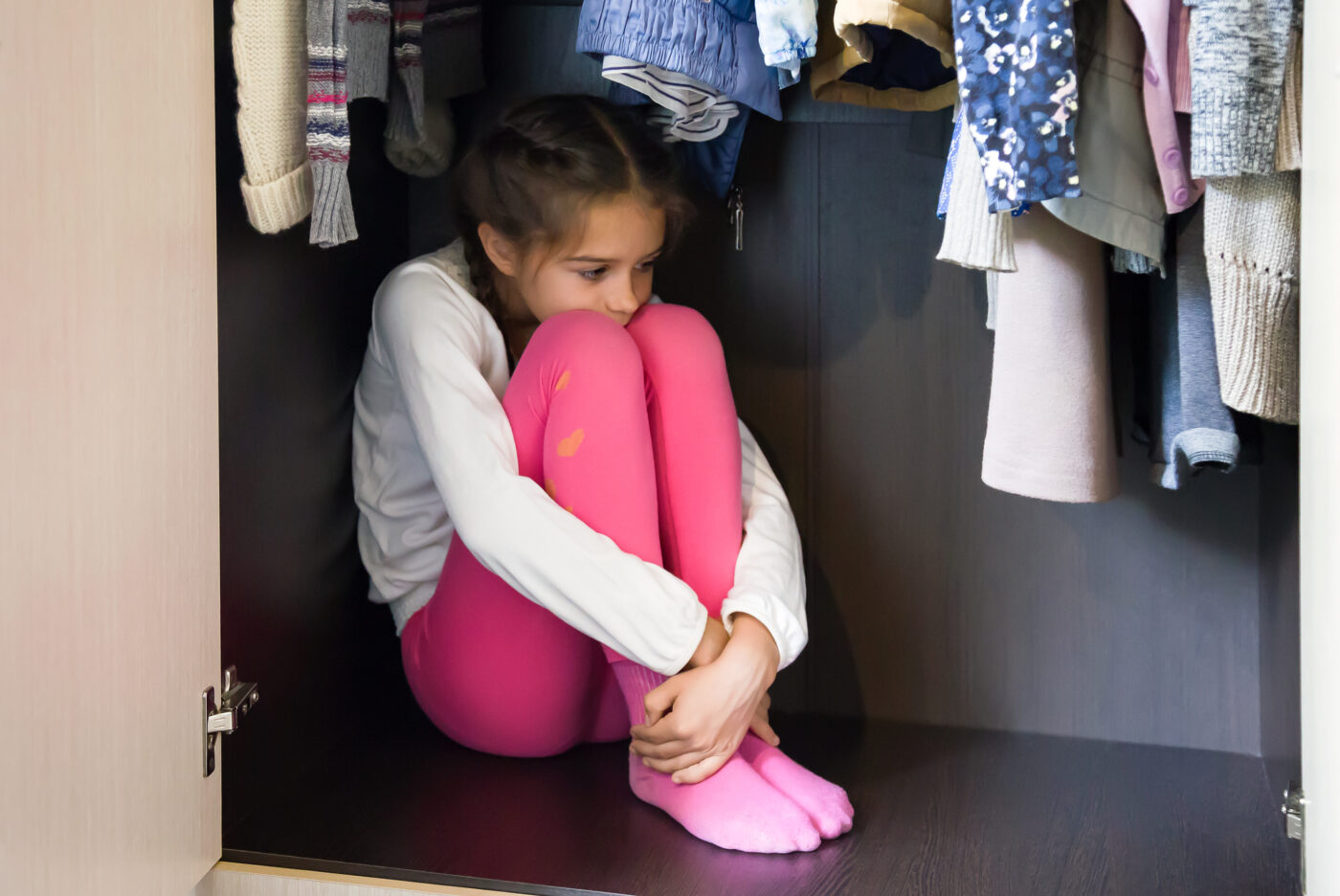

Our youngest was the kind of kid who would light up the room. Frequently, people would ask us, “Does she ever stop smiling?” And honestly, the answer was, “Not often.” But somewhere around nine-10 years old, things started to change. She went from winning state gymnastics competitions to being uncomfortable getting on the balance beam. She became less cheerful and more reserved. She was much less social, preferring instead to stay home with us. For a while, we chalked it up to her being a homebody, losing interest in gymnastics, and being an introvert. But eventually, we realized that our once carefree child was struggling with anxiety.
According to the Cleveland Clinic, nearly 1 in 5 children will develop anxiety disorders. This becomes even more pronounced as they move into adolescence, with 1 in 3 teens experiencing anxiety. However, for most of us raising young children, anxiety is the last thing we think about. But we need to be aware that it could develop in them unexpectedly. Here are 5 signs that your child may be struggling with anxiety.
1. She has become quieter.
Obviously, just being on the quieter side isn’t a problem. The problem is when your normally outgoing, talkative child becomes withdrawn. Our daughter went from lighting up a room to avoiding the spotlight seemingly overnight. This increased quietness and withdrawal is one of the signs of anxiety in children.
The key here isn’t to change her behavior, but to recognize it and look to create safety and calm. One of the best gifts you can give your quiet child is your presence. Sit with her, even if it’s in silence. Ask questions to see if she can name what she’s anxious about. Reassure her that it’s OK to be quiet, but that when she’s ready to talk, you want to listen.
2. He’s no longer a good sleeper.
Does your once good-sleeper now struggle to fall, or stay, asleep? Our daughter did. She would lie awake in bed for hours, struggling to calm down. Just like sleep is hard to come by when you’re worried, developing restless sleeping patterns is one of the signs of anxiety in children.
This can be difficult because if your child isn’t sleeping, neither are you. And the temptation is to give in to whatever your child wants so you can get some rest. However, it’s best for your child if you help her develop bedtime routines and calming strategies so she can manage her anxiety and fall asleep on her own. For our daughter, it was helpful to read a book while lying in bed and listening to soothing music. Your child may find other strategies helpful, like a warm bath or a healthy snack. The key isn’t one particular tool, but finding what works for your child.
3. She’s become clingy.
Has your once social child become a bit clingier? Our daughter became much less interested in being with friends. Instead, she wanted to just stay home most of the time. On the one hand, we liked having her around. However, a need to cling to parents is also a sign of anxiety in children.
This can be challenging because it feels bad to pull yourself away when your child wants you. But learning to be separated from you is critical for her development. Talk with your child about her anxiety before going somewhere. Help her identify why she’s nervous and look for small but significant ways for her to venture out, even for short periods. It will likely take time. For us, it took years of trying things and listening to our daughter’s wants and needs. Be patient, but be persistent.
4. He’s more aggressive.
You know how you might snap at someone when you’re worried? That kind of aggression is one of the signs of anxiety in kids as well. I remember one time we told our daughter that she couldn’t stay home from school because she didn’t feel ready for a test. Our normally sweet kid yelled at us and stormed up the stairs stomping loudly all the way. Why? She was anxious about the test and didn’t know how to deal with it.
When anxiety results in aggressive behavior, the key is connecting while also setting boundaries with behavior that is unacceptable. In our daughter’s case, my wife would always say, “Give her a minute.” We’d let our daughter cool down, then one of us would go to her room and sit with her. We’d ask questions, encourage her, and pray for her. Occasionally, we’d even give her extended time to cool down, letting her go in late to school (but not skip the test). At the same time, we’d make it clear that the tantrum wasn’t helpful or appropriate, and we’d talk about better ways to manage her anxiety in the future.
5. She has started to complain more about stomachaches.
Obviously, there are many reasons a child can get a stomachache. Maybe she ate too much ice cream, or she has a stomach bug. We spent time sorting through our child’s diet because we first thought she might have developed an allergy. However, frequent complaints about stomachaches are one of the signs of anxiety in kids as well, and it turns out that was our daughter’s problem.
This is a challenging symptom because obviously you don’t want to ignore an actual sickness, but you also don’t want to allow the anxious behavior to keep her from doing difficult things. I appreciate the comprehensive way the experts at the Child Mind Institute address this by encouraging comfort without caving. When you’re able to determine that the source of the stomachache is anxiety and not illness, then you know your child is able to push through it with some helpful coping strategies and encouragement from you.
In each of these situations, if symptoms persist or you’re struggling to help your child, call your pediatrician or consider speaking with a therapist. Anxiety in children is common, but not necessarily permanent. Developing consistent strategies that encourage connection and calm can be a lifeline for your anxious child.
Sound off: What strategies have you used to support your child when she’s anxious?





Huddle up with your kids and ask, “What helps you when you’re feeling nervous?”